In an era where social media dominates our daily lives, the influence of online personalities on eating habits has become increasingly profound. With millions of followers, food influencers and wellness gurus shape perceptions of healthy eating, often blurring the lines between trends and evidence-based nutrition.
Recent studies indicate that platforms like Instagram and TikTok significantly impact dietary choices, particularly among younger audiences. A survey found that nearly 60% of millennials and Gen Z respondents have modified their eating habits based on content from influencers. Colorful smoothie bowls, plant-based diets, and low-carb meal plans flood feeds, promoting ideals of health and beauty that can dictate what users consume.
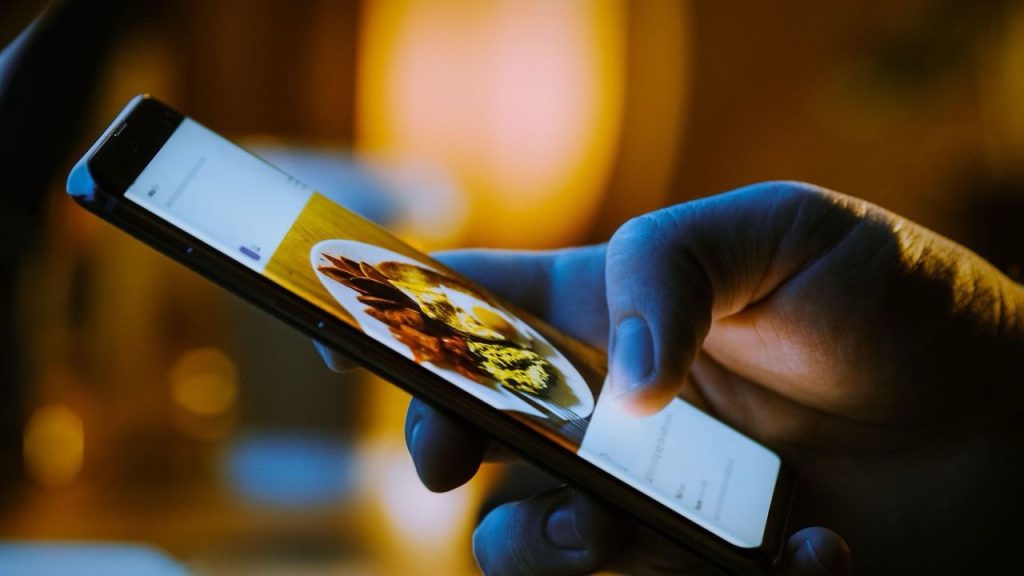
While social media can foster positive changes—such as encouraging plant-based eating or increasing awareness of food sustainability—it also has its downsides. Many influencers lack formal nutrition training, leading to the spread of misinformation about diets and supplements. The allure of visually appealing food posts can create unrealistic expectations, pushing followers toward restrictive eating patterns or disordered behaviors.
Moreover, the prevalence of “clean eating” trends often stigmatizes certain foods as unhealthy, promoting a binary view of nutrition that can be damaging. Experts urge consumers to approach influencer content with skepticism, advocating for a balanced perspective that incorporates diverse food choices without shame.
To mitigate these risks, nutritionists recommend following registered dietitians and evidence-based sources for guidance. As social media continues to evolve, its impact on eating habits remains a double-edged sword, highlighting the importance of critical thinking in navigating the digital landscape of food. As influencers continue to shape our plates, awareness and education are key to fostering healthier, more informed eating habits.

