Minneapolis and Saint Paul are experiencing a vibrant Indigenous cultural revival, following decades of advocacy for Native American rights. The sacred site of Bdote, where the Minnesota and Mississippi rivers converge, holds immense significance for the Dakota people, serving as both their ancestral homeland and the location of historical tragedy. In 1862, desperate for resources, the Dakota initiated a conflict with settlers, resulting in their exile and forced relocation. This period saw Bdote become a mass grave for those who perished from disease and starvation.
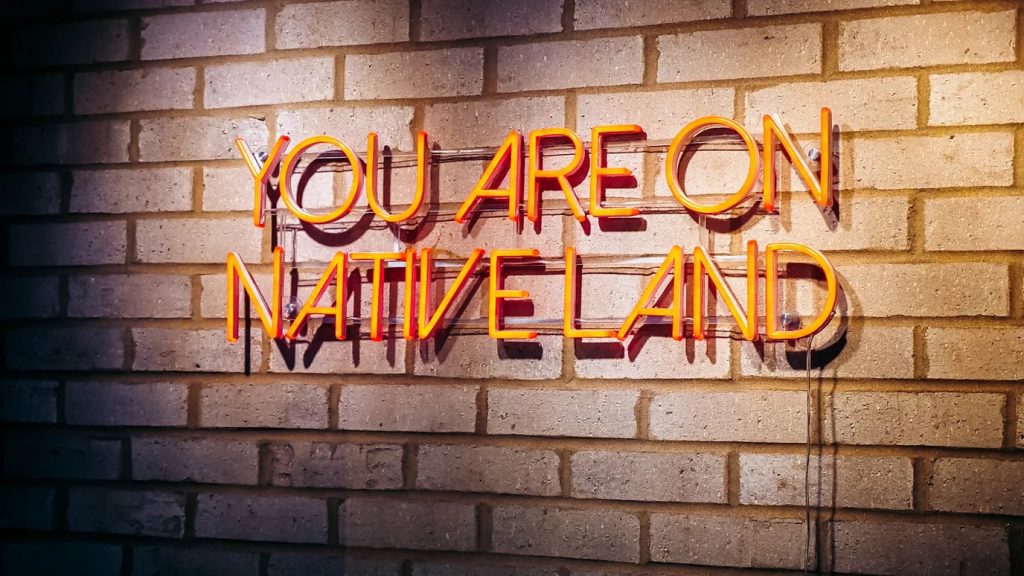
Decades later, following the Indian Relocation Act of 1956, many Dakota began returning to their roots. Today, the Twin Cities have emerged as a hub for modern Native culture, thanks in part to the activism of the American Indian Movement (AIM), which formed in 1968 to combat police brutality and racial discrimination. Mike Forcia, a leader within AIM, reflects on the community’s struggles and resilience, emphasizing a commitment to reclaiming space and identity. This cultural renaissance showcases the strength and spirit of Indigenous communities in the face of historical challenges.

