In today’s health-conscious society, functional foods are gaining significant attention for their enhanced nutritional benefits. These foods are specifically designed to provide additional health advantages beyond basic nutrition, often fortified with vitamins, minerals, probiotics, and other beneficial compounds.

Functional foods include a wide range of products, from everyday staples like yogurt and oatmeal to specialized items such as fortified cereals and beverages enriched with antioxidants. The growing interest in these nutrient-rich options stems from an increasing awareness of the role diet plays in overall health and disease prevention.
Research indicates that incorporating functional foods into one’s diet can lead to improved health outcomes. For example, probiotics found in fermented foods like yogurt and kefir can promote gut health, potentially boosting the immune system. Omega-3 fatty acids, commonly added to eggs and dairy products, are known for their cardiovascular benefits. Additionally, foods rich in antioxidants, such as berries and dark chocolate, can combat oxidative stress and inflammation.
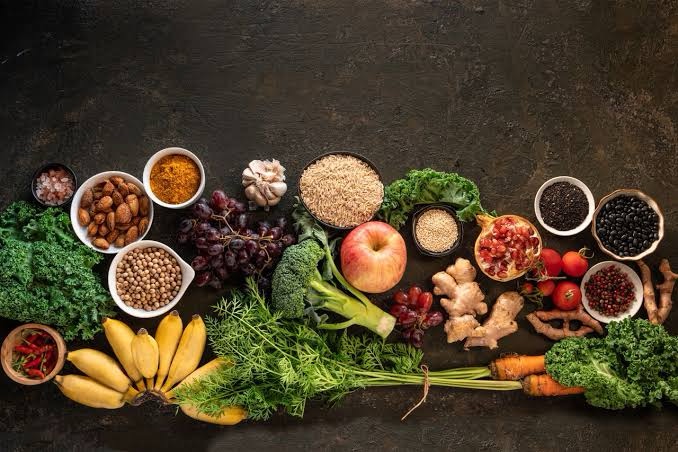
The market for functional foods is booming, with global sales projected to reach over $275 billion by 2025. This trend is fueled by a rising consumer demand for products that support health and wellness, especially in the wake of the COVID-19 pandemic.
However, experts caution consumers to be mindful of marketing claims and to prioritize whole foods. While functional foods can complement a balanced diet, they should not replace traditional food sources. Nutritionists recommend a varied diet rich in fruits, vegetables, whole grains, and lean proteins as the foundation for good health.
As the interest in functional foods continues to grow, ongoing research will further explore their health benefits and potential risks, paving the way for a more informed approach to nutrition.

